
Your body holds the key to healing.
“It takes enormous trust and courage to allow yourself to remember.”
– Dr. Bessel van der Kolk, The Body Keeps the Score
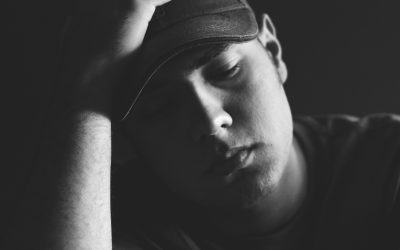
People who’ve experienced trauma often feel unsafe in their bodies. In the words of Dr. Bessel van der Kolk, author of The Body Keeps the Score, traumatized people “… become experts at ignoring their gut feelings and numbing awareness of what played out inside. They learn to hide from themselves.”
This describes something that approximately 70% of adults in the US know all too well. (Source)
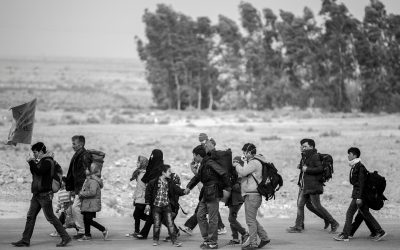
An estimated 70 percent of adults in the United States have experienced a traumatic event at least once in their lives. A traumatic event is one in which an individual experiences a threat (actual or perceived) of death or serious injury to himself or others.
Most of us will experience at least one traumatic event in our lifetime.
Trauma doesn’t solely live in our memories and in the past. It lives in our bodies. The body is also where an important part of the healing process takes place.
What The Body Keeps the Score Teaches Us
Dr. van der Kolk, a pioneering trauma researcher and psychiatrist, spent over three decades studying how trauma reshapes both brain and body. His central discovery is that the body encodes memories of trauma into our senses, through muscle tension, and in anxiety. That being the case, the body must also be involved in the healing process.
Trauma in the body can look like:
- Tight muscles that won’t release
- A nervous system stuck on high alert
- Chronic pain with no clear medical cause
- Digestive issues, headaches, and fatigue
- Held breath or clenched jaws
- And more
This is why you can understand intellectually the trauma you’ve experienced, talk about it in therapy for years, and still feel unsafe or “off” in your own skin. The body cannot be ignored in healing from traumatic events.
“Neuroscience research shows that the only way we can change the way we feel is by becoming aware of our inner experience and learning to befriend what is going on inside ourselves.” – Dr. Bessel van der Kolk, The Body Keeps the Score
Often buried deep beneath the layers of language, in the part of your brain that doesn’t use words, you can’t think your way out of trauma. You have to feel and move your way through it.
Practical Pathways to Healing
Here are a few tangible body-based healing methods we’ve compiled for Mental Health Awareness Month (May) to begin implementing for yourself.*
Writing & Expressive Arts
You don’t have to be a “writer” or be good with words to release what’s stuck inside. There are a variety of ways to use writing as a tool for healing:
- Stream of consciousness journaling (set a timer for 10 minutes, write without stopping or editing)
- Unsent letters (write to someone you need to say something to, then burn it or keep it, you never have to send it)
- Art, poetry, or music as ways to express what words can’t capture
- Therapeutic journaling method (Dr. James Pennebaker)
Suggested prompt to get you started: “What my body wants me to know is…”
Yoga & Movement
Trauma-informed yoga can help you reconnect with your body in a safe, gentle way. You don’t need to be flexible or good at it; this is about connecting to your body and moving in a way that feels safe.
Other movement options outside of yoga to try:
- Walking (especially in nature)
- Dance (yes, alone in your living room counts)
- Tai chi or gentle stretching
- Yin yoga or Yoga Nidra
- Any movement that lets you feel your body without judgment
Therapy (Trauma-Focused Modalities)
Trauma-focused therapies work directly with the body and nervous system, not just with thoughts and memories. Some of these therapies include:
- EMDR (Eye Movement Desensitization and Reprocessing)
- Somatic Experiencing
- Internal Family Systems (IFS)
Finding a trauma-informed therapist:
- Ask if they specialize in trauma work
- Ask what modalities they use
- It’s okay to ask questions and select the right fit; this is an important, long-term relationship
Healing in Nature
-
- Walk barefoot on the grass (where safe)
- (5,4,3,2,1): Notice five things you can see, four you can hear, three you can touch, two you can smell, one you can taste
- Sit with your back against a tree
- Feel the sun on your face
Being outside can provide a sense of grounding and help regulate your nervous system. The best part about nature is that it doesn’t ask anything of you or need anything from you. It just is.
Try these grounding practices while in nature:
Get in nature, or bring it indoors with houseplants, experience it any way that feels good to you!
Community & Connection
-
- Walk barefoot on the grass (where safe)
- (5,4,3,2,1): Notice five things you can see, four you can hear, three you can touch, two you can smell, one you can taste
- Sit with your back against a tree
- Feel the sun on your face
Being outside can provide a sense of grounding and help regulate your nervous system. The best part about nature is that it doesn’t ask anything of you or need anything from you. It just is.
Try these grounding practices while in nature:
Get in nature, or bring it indoors with houseplants, experience it any way that feels good to you!
Reminder: Start Small.
Some days, living and surviving are healing. Give yourself grace, compassion, and permission to go slow.
Learn More Healing Modalities by Purchasing or Borrowing a Copy of The Body Keeps the Score: Brain, Mind, and Body in the Healing of Trauma by Bessel van der Kolk
“Our bodies are the texts that carry the memories and therefore remembering is no less than reincarnation.” -Bessel van der Kolk


0 Comments