
Cultural Sensitivity and Trauma-Informed Support
Special Contributor: Jennifer Bennett, first-year graduate student in the Master of Holocaust and Genocide Studies program at Keene State College. This blog post was part of a project for her course “Working with Communities After Trauma” and is a demonstration of the course’s focus on “applied practice as well as cultivating an ability to identify cultural, community-based, and historical specificities that shape communities who have experienced a life-shattering event and their responses.
“What a rich tapestry we have woven…”
Did you know that June is Refugee Awareness Month and June 20th is World Refugee Day?
For the past four decades, New Hampshire has become the new home of over 75,000 refugees arriving from all over the world, particularly South America, the Middle East, Africa, and Asia.
“As co-founder and later director of Mariposa Museum, I had the great pleasure of meeting people from immigrant communities in this region – Finns, Greeks, Franco-Americans, Italians, Irish – and from beyond: Filipinos, Hmong, Mexicans, Ghanaians, and so many more who live in New Hampshire and nearby in Massachusetts. They shared their stories, cultures, food, music, and dance with us. What a rich tapestry we have woven in New England and in this country!”
David Blair, co-founder of Mariposa Museum in Peterborough; opinion: Monadnock Ledger-Transcript, April 22, 2025.
When we understand how trauma affects the refugee experience, we can help to make their transitions and integrations into our communities smoother.
One Size Does Not Fit All
Every survivor of displacement is a unique individual. So are their stories and journeys in life. Each refugee’s experience and resettlement process is entirely different from the last.
As stated in an American Psychiatric Association fact-sheet on the mental health of refugees, asylum seekers, and survivors of forced displacement, their experiences vary widely:
“Some have endured chronic, pervasive exposure to interpersonal and community violence, the uncertainty of the future, personal or family persecution, violent loss of loved ones, and an insecure environment. Others have experienced a shorter exposure to high violence, such as active war. Some youth come from areas of armed conflict and war with their conscription into the armed forces as “child soldiers,” some arrive without parents or caretakers as unaccompanied and separated minors, and other youths flee with intact families.”
Layers of Trauma Need Support, Not Pathology
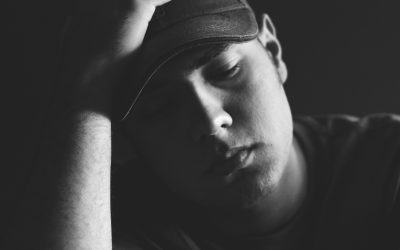
There can be many layers of trauma experienced by refugees:
- Conflict-related trauma
- The trauma of being uprooted from their home and waiting to be resettled
- The trauma of resettling and integrating into a new country.
- And more
All of this can be on top of pre-existing mental health struggles caused by childhood family dynamics, non-atrocity levels of community violence, being a member of a societal outlier group, such as LGBTQ or a lower caste, etc.
About one out of three asylum seekers and refugees experience high rates of depression, anxiety, and post-traumatic stress disorders (PTSD) (Source).
For most refugees, these typically lessen over time with proper mental health care and low resettlement stressors. Others may experience symptoms for many years. Given these “pressing mental health needs,” early psychosocial interventions are warranted in all refugee cases to prevent or begin healing from being traumatized.
It’s critical, however, not to immediately “pathologize” the experience for all displaced people. Many do not have chronic psychiatric impairment and are actually displaying normal stress responses to abnormal experiences such as war and displacement. Even so, they should still be offered mental health care early on in the resettlement journey, though some may decline the offer out of stigma against psychiatric care in certain immigrant communities or any other myriad of reasons.
“Health promotion can be utilized to downregulate the stress response system, for example, encouraging habits such as good sleep hygiene, nutritious eating, regular physical activity, play, and engaging with social support systems. […] In the treatment of trauma and related mental health disorders, foster agencies […] by asking about their treatment preferences. […] If their preferred treatment option is safe, allow it to the extent possible.” (10 Clinical Pearls, Miller et al)
Resettlement Stressors and Roadblocks to Community Integration
Refugees have no control over which country is chosen for their resettlement, and integrating into a new culture without the proper resources or support can exacerbate mental health stressors.
The pre-existing layers of trauma can create roadblocks to successful integration.
The stressors during post-migration and resettlement that can contribute to long-term PTSD among refugees vary widely.
These may include any or all of the following:
- Prolonged detention
- Poverty and insecure housing
- Lack of adequate transportation
- Limitations on work and education
- Feelings of inadequacy and shame
- Culture shock and language barriers
- Isolation from external support systems
- Insecure immigration status and legal issues
- Grief from loss of family, friends, and/or communities
- Changes in family dynamics; often, children adjust more easily than adults
- Marginalization or prejudice based on refugee status, race, religion, etc.
How Can You Help? A Community-Wide Approach
First, it’s important to remember that refugees and asylum seekers have vast stores of resiliency within themselves that they are already tapping into. They are not looking to be “saved” by their new neighbors, employers, and social workers, but to be seen, understood, and assisted in their assimilation into the communities in which they’ve resettled.
Some examples of community and family supports would be helping them to trace missing family members, assisting with mourning ceremonies, non-formal education, parenting programs, women’s groups, youth clubs, and access to transportation and interpreters. And, of course, new friendships are (usually) welcomed, too!
Keeping in mind the resettlement stressors mentioned above, we can all do our part to help make these transitions easier for them.
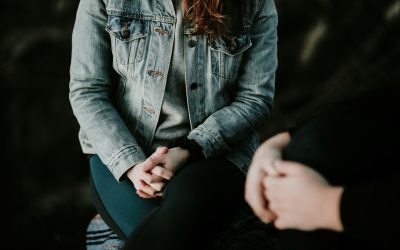
- For Community Helpers (Social and Healthcare Workers, Volunteers, Faith Leaders): Taking a culturally-sensitive approach to the mental and spiritual health of refugees and atrocity-survivors is essential. Learn about their culture’s indigenous healing and grieving practices before defaulting to the traditional Westernized approach. Even a syncretization of the Western and indigenous healing pathways can be a helpful strategy. “Western practitioners of psychological support for survivors of mass human rights abuses still have much to learn by paying close attention to the way in which survivors themselves formulate and seek to address their distress.” (Inger Agger, Calming the mind: Healing after mass atrocity in Cambodia, 2015) That said, see also Applying Trauma-Informed Practices to the Care of Refugee and Immigrant Youth: 10 Clinical Pearls.
- For Teachers and Schools: Develop a trauma-informed team at your school, approach refugee students with empathy and make them feel safe, remain consistent and predictable, and know when it’s time for support from professionals. For more on this, see “5 Trauma-Informed Strategies for Supporting Refugee Students.”
- For Businesses (Shops, Employers, Service Providers): The key principles of being trauma-informed are trauma-awareness, safety, trustworthiness, choice and empowerment, and collaboration with a focus on strength and resilience. To learn more about these principles and how to avoid unintentional retraumatization, please see “What is Trauma-Informed Care?”
- For Neighbors and Community Members: Despite all of our differences in appearance, language, history, etc., we’re all just humans seeking connection! Respectful curiosity about your new neighbor’s cultural practices shows that you care to know more about them; however, avoid asking personal questions about their traumatic experiences, as this can risk retraumatization and may threaten their sense of safety and trust. If they feel comfortable telling you their story, they will do it in their own time! Respond with empathy, but not voyeurism. And don’t forget to invite them to your next cookout or community event! For a moving showcase of the harsh realities of trauma and the powerful healing journeys of survivors of mass atrocities that often lead to refugee crises, explore The Fabric of Healing: Story Cloths by Survivors of Trauma, War and Gender-Based Violence.
Resources for Further Education and Engagement
Support or join these local or state-level organizations
- Monadnock Immigrant Solidarity Collaborative
- Project Home NH: A Grassroots Solution for Asylum Seekers
- Different Roots, Common Dreams
- Organization for Refugee and Immigrant Success
- Welcoming New Hampshire
Read this success story about an Afghani family in the Monadnock Region and the organizations that supported their integration into the community:
Sher Alam Mashwani, who was resettled with his family in the Keene area, came from Afghanistan after United States military withdrawal in August 2021. When Monadnock community helpers heard the news, they jumped into action. Eric Swope, who was (and still is) a committed volunteer with Project Home NH, co-founded a local group called Team Monadnock Neighborhood Support Team for Afghan Resettlement in 2022. Meanwhile, the Jaffrey-Rindge MLK Committee contributed their time and effort gathering donations for Afghan refugees resettling around the state.
“Through the Team Monadnock Neighborhood Support Team for Afghan Resettlement, Sher Alam Mashwani was connected with community members who help refugees in the area with everything from finances and housing to finding people like Rob Maggi of Keene — who gives the family a space to have its own garden at the back of his yard.” (NHPR)
The Mashwani family’s long journey took them from Qatar to Spain to Virginia to Concord, NH, and finally to Keene where community helpers connected them with access to proper healthcare, engaging employment, and a meaningful community at Cheshire Medical Center. More recently in 2024, during the week of Thanksgiving, the Harrisville General Store helped to make the Mashwani family feel even more integrated into the community and into our nation’s rich tapestry when they hosted an evening of Afghani meals prepared by the family.
On the warm welcome he and his family received in the Monadnock Region, Mashwani says with thanksgiving,
“The reception has been wonderful, and the people of the community are very nice. The people here helped provide any assistance we needed, and they are still helping us whenever we need a ride to an appointment.
We are very happy with the community.”


0 Comments